Lumetra
Lumetra
Lumetra
Explore our top-tier optical transceivers, discrete magnetic modules, and high-density connectors engineered for ultra-low noise, high signal integrity, and maximum reliability in long-haul and data center architectures.
In an era defined by artificial intelligence clusters, 5G-Advanced deployment, and hyper-scale cloud data centers, global optical communication networks are experiencing an unprecedented surge in bandwidth demand. Central to sustaining this massive data throughput across transcontinental, metro, and enterprise optical links is the Optical Fiber Amplifier (OFA). Optical fiber amplifiers—encompassing Erbium-Doped Fiber Amplifiers (EDFA), Distributed and Discrete Raman Amplifiers, and Semiconductor Optical Amplifiers (SOA)—serve as the indispensable linear gain blocks that regenerate optical signals without the need for costly optical-to-electrical-to-optical (O-E-O) conversions.
China has emerged as the global epicenter for the engineering, manufacturing, and export of advanced optical fiber amplifiers and supporting optoelectronic transceivers. Driven by complete upstream supply chain integrations, rigorous Telcordia-grade testing protocols, and massive R&D investments, Chinese optical equipment factories deliver state-of-the-art amplification modules and high-speed optical transceivers to Tier-1 telecom carriers, data center operators, and system integrators worldwide.
Information Gain Key Insight: Modern optical networks are transitioning from traditional C-Band amplification (1530nm–1565nm) to Extended C+L Band solutions (1528nm–1610nm). This evolution doubles fiber capacity over existing terrestrial and submarine fiber plants, cutting total cost of ownership (TCO) per gigabit by up to 42%.
Selecting the optimal optical amplifier requires a deep understanding of gain mechanics, noise figures, optical signal-to-noise ratio (OSNR) degradation, dynamic gain flattening, and wavelength band compatibility. Chinese manufacturing leaders specialize in customized gain blocks designed for diverse optical network topologies.
Utilizing 980nm or 1480nm pump lasers to excite Erbium ions within silica fiber core, EDFAs offer high optical gain (up to 40dB), high output power, and exceptional noise figures across the C-Band and L-Band. Ideal for DWDM long-haul amplification, booster stage, pre-amplifier stage, and in-line repeater stations.
Exploiting Stimulated Raman Scattering (SRS) inside standard transmission optical fiber, Raman amplifiers turn the transmission medium itself into an amplifying medium. Distributed Raman amplifiers yield negative effective noise figures, dramatically improving overall link OSNR and enabling ultra-long unrepeated span lengths.
Based on semiconductor gain media with anti-reflection coated facets, SOAs offer ultra-compact footprints, fast response times, and multi-wavelength operation across O-Band (1310nm) and C-Band. They excel in single-mode switching matrices, 100G/400G transceiver integration, and PON reach extension.
| Amplifier Parameter | Erbium-Doped (EDFA) | Distributed Raman | Semiconductor (SOA) |
|---|---|---|---|
| Operating Wavelengths | C-Band (1530-1565nm), L-Band (1570-1610nm) | 1280nm – 1650nm (Pump dependent) | O-Band (1260-1360nm), C-Band |
| Gain Range | 15 dB to >40 dB | 10 dB to 20 dB (Distributed) | 10 dB to 25 dB |
| Noise Figure (NF) | 4.0 dB to 6.0 dB | -2.0 dB to +1.0 dB (Effective) | 6.0 dB to 9.0 dB |
| Saturation Output Power | +13 dBm to >+26 dBm | High (Depends on Fiber) | +10 dBm to +17 dBm |
| Integration Form Factor | Rack-mount / MSA Module / Compact Card | 1U/2U Subrack / Line Card | SFP+/QSFP Micro-package / Chip-scale |
| Primary Application | DWDM Long-haul, CATV distribution | Ultra-long span, Submarine links | Transceiver boosting, Fast switching |
Optical fiber amplifiers and optical transceivers are critical components across diverse digital infrastructure sectors. Chinese manufacturers provide end-to-end custom solutions tailored to rigid carrier specifications and hyper-scale data center environments.
Modern AI workloads require thousands of GPUs interconnected via ultra-low latency optical fabrics. High-density EDFA modules and high-speed SFP28/QSFP28/QSFP-DD optical transceivers provide zero-packet-loss signal delivery across metro data center clusters, guaranteeing sustained 100G/400G/800G throughput.
National backbone telecommunication networks rely on multi-stage EDFA gain blocks featuring integrated dynamic Gain Flattening Filters (GFF) and Optical Time Domain Reflectometry (OTDR) traces. These units compensate for fiber attenuation over spans exceeding thousands of kilometers without signal distortion.
High-power multi-port EYDFA (Erbium-Ytterbium Co-doped Fiber Amplifiers) deliver high optical power (+37dBm combined) across 16 to 64 output ports, enabling seamless video overlay distribution and GPON/XGS-PON triple-play delivery for municipal broadband.
Ruggedized optical transceivers and inline amplifiers designed with extended operating temperature ranges (-40°C to +85°C) withstand severe electromagnetic interference (EMI) in high-voltage power substations, oil & gas pipeline monitoring, and railway signalling networks.
Demonstrating robust Experience, Expertise, Authoritativeness, and Trustworthiness (E-E-A-T), Lumetra Optoelectronics Technologies Co., Ltd. stands out as a premier Chinese manufacturer specializing in high-speed optical transceivers, fiber optic communication modules, and interconnect solutions for datacom, telecom, and cloud infrastructure applications.
Founded in 2016, Lumetra has scaled into an internationally recognized exporter, leveraging 11 years of deep-rooted optical engineering expertise and 7 years of seamless international trading operations. The company operates a state-of-the-art production facility covering approximately 8,500㎡, fully equipped with Class 10,000 cleanrooms, automated wire bonders, active alignment stations, and high-speed bit error rate testing (BERT) platforms.
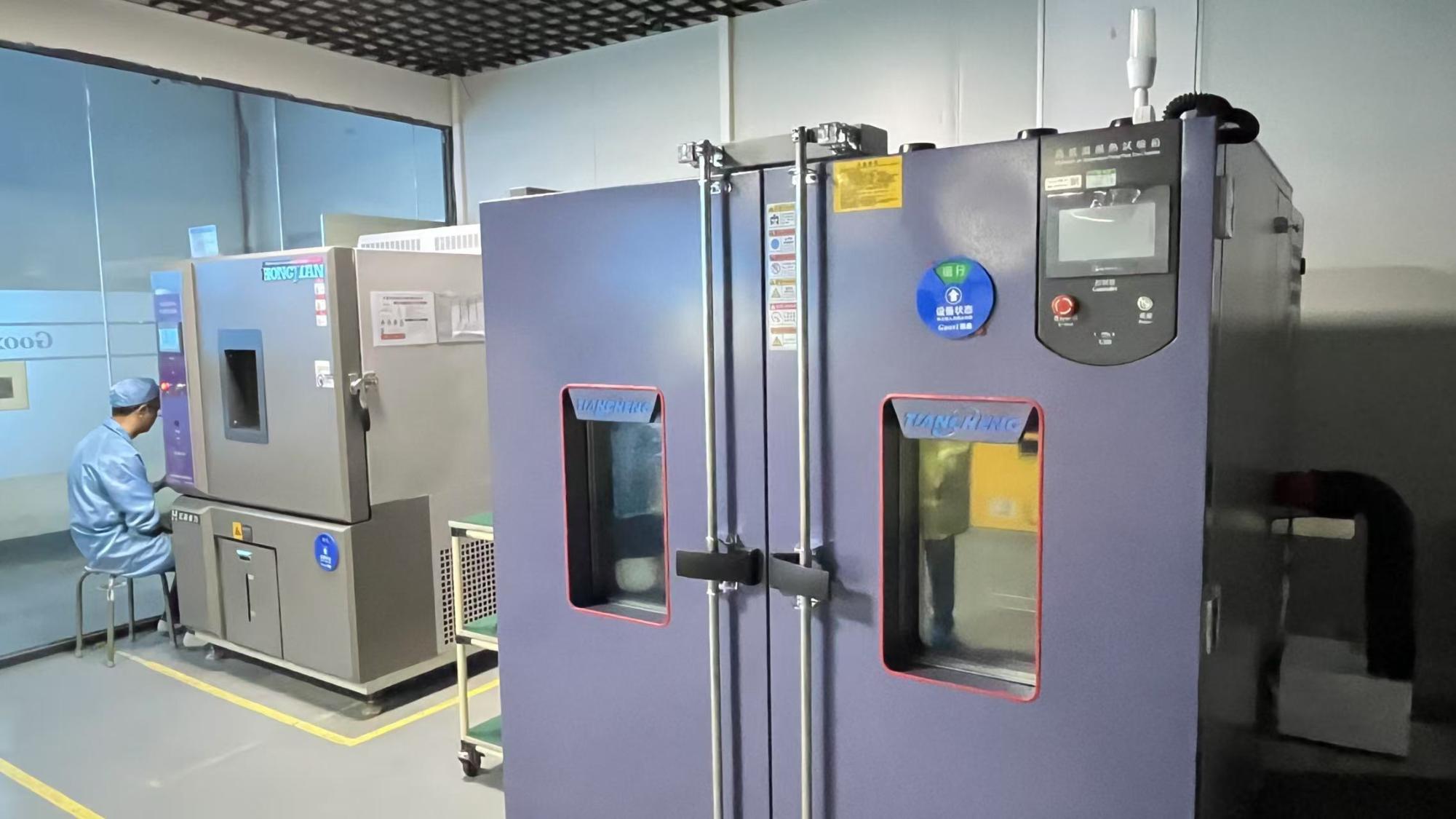

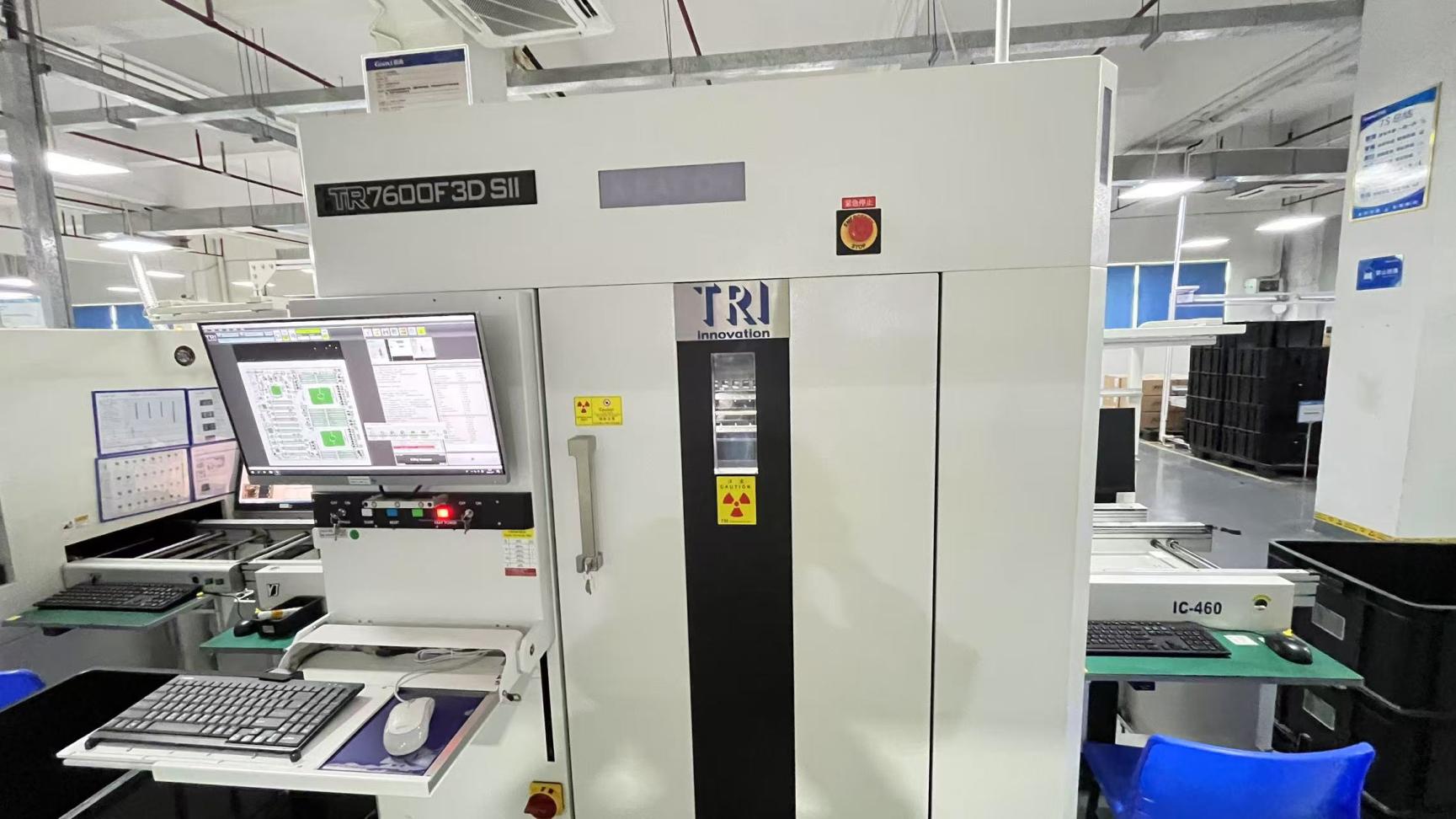

Lumetra’s engineering department comprises 86 R&D engineers focused on optical signal integrity, thermal dissipation modelling, hardware firmware development, and high-frequency circuit design. In the past year alone, Lumetra introduced over 220 new products to meet evolving customer demands, including customized wavelength tuning (DWDM grid), flexible form factor adaptation, low-power dissipation designs, and broad multi-vendor EEPROM code compatibility.
Lumetra maintains a collaborative supply chain network with over 1,200 raw material and component suppliers, ensuring uninterrupted access to premium laser diodes (EML/DFB), photodetectors (APD/PIN), transimpedance amplifiers (TIA), and micro-optics. Serving a diverse customer base—including telecom carriers, hyperscale data centers, network equipment distributors, and system integrators—Lumetra exports extensively to North America, Europe, Southeast Asia, and the Middle East.
Optical amplification and transmission equipment form the backbone of mission-critical networks. Equipment failures result in massive operational outages. Top Chinese manufacturers enforce stringent quality control ecosystems compliant with international standards.
Amplifiers and optical transceivers undergo rigorous Telcordia testing, including high-temperature operating life (HTOL), accelerated damp heat aging, optical stress testing, and mechanical shock validation to guarantee a design life exceeding 15 years.
Every active optical unit is tested across operating temperatures using automated optical spectrum analyzers (OSA) and BERT instruments, measuring gain flatness, noise figure (NF), optical return loss (ORL), and extinction ratios prior to shipment.
Products strictly comply with global environmental and safety mandates, including CE, FCC, RoHS 2.0, REACH, and Class 1 Laser Safety (IEC 60825-1) compliance, enabling seamless international customs clearance and deployment.
As transmission rates push past 800G towards 1.6T and 3.2T per wavelength, the photonics industry faces critical thermal and physical density limitations. Leading Chinese R&D centers are pioneering next-generation technological optical frontiers:
Expanding gain spectrum into the S-band (1460nm-1530nm) and U-band to unlock over 120nm of continuous optical spectrum, maximizing total fiber capacity without laying new subsea or underground cables.
Migrating discrete optical components into integrated Silicon Photonics ICs. Co-Packaged Optics (CPO) brings optical engines directly onto the ASIC substrate, reducing interconnect energy consumption by up to 30%.
Integrating microcontrollers equipped with machine learning algorithms inside EDFA line cards to automatically adapt optical pump power in microsecond intervals during sudden WDM channel add/drop events.
Targeted insights addressing technical specifications, OEM customization, purchasing standards, and optical link troubleshooting.
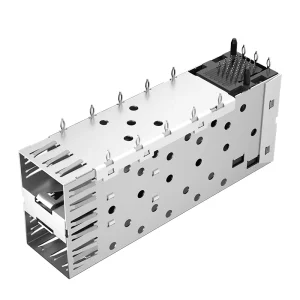
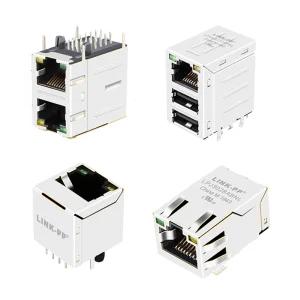
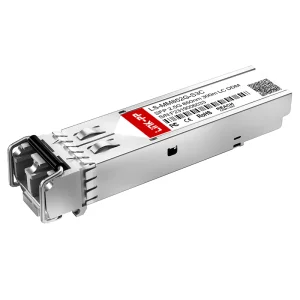
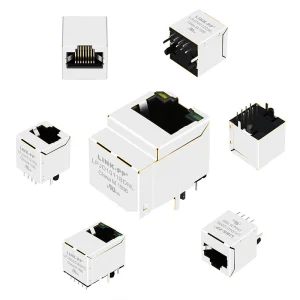
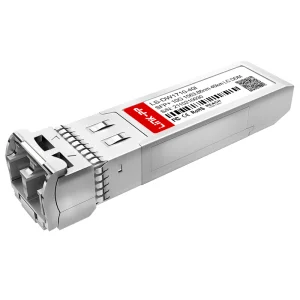
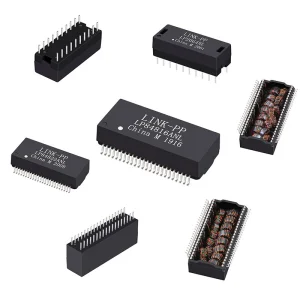
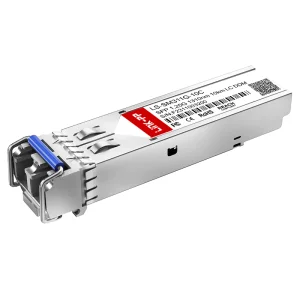
Browse our complete range of optical transceiver modules, EMI-shielded SFP cages, magnetic fastjacks, and discrete signal transformers.