Lumetra
Lumetra
Lumetra
High-Speed Powerline Communication (PLC) Systems, Optoelectronic Transceivers & Interconnect Components for Global Telecommunications & Enterprise Infrastructures
Explore our core high-frequency components engineered for reliable signal integrity in carrier-grade systems.
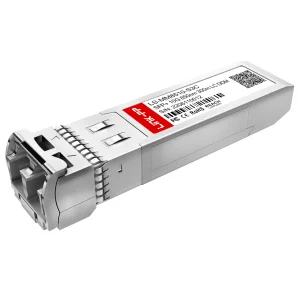
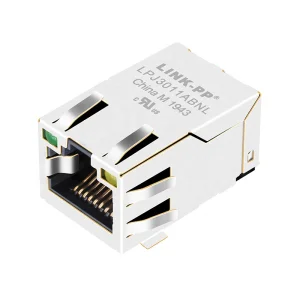
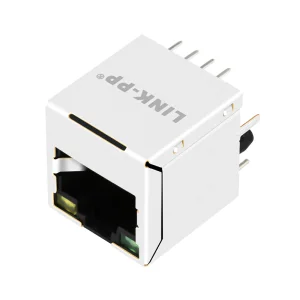
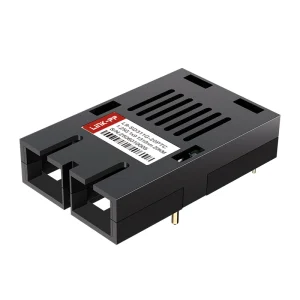
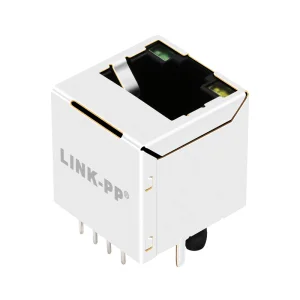
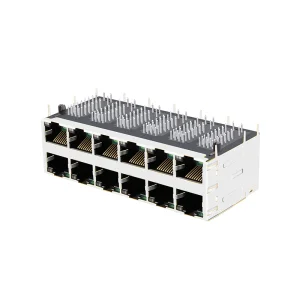
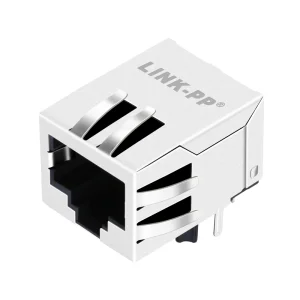
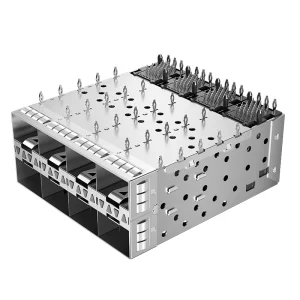
The global telecommunications landscape is undergoing a critical transformation. As fiber deployment costs skyrocket and structural shielding limits traditional wireless frequencies, Powerline Communication (PLC) and Broadband over Powerline (BPL) technologies have emerged as vital vectors for local data delivery. Powerline Adapters leverage existing copper wiring infrastructures to transmit high-speed data, bypassing structural obstacles and reducing CAPEX for enterprise networks.
The integration of the ITU-T G.hn standard alongside legacy HomePlug AV2 architectures has propelled powerline transmission rates up to 2 Gbps. This technological leap enables gigabit-level throughput over low-voltage electrical distribution networks. For smart grid operations, industrial IoT, and multi-dwelling units (MDUs), utilizing the powerline medium provides stable, non-interfering backhaul channels that complement Wi-Fi 6/7 topologies.
By leveraging high-speed transceiver architectures and robust electromagnetic shielding components, modern powerline adapter terminals filter heavy electrical harmonics. This ensures steady throughput across hostile industrial environments, setting a new benchmark for system uptime and reliability.
Reduced Structural Overhead: Bypasses concrete walls and RF shielding by running data directly through AC mains wiring.
Advanced MIMO Technology: Multiple-Input Multiple-Output configurations utilize the Line, Neutral, and Ground wires simultaneously to maximize throughput.
Industrial Resilience: Embedded advanced error correction (FEC) and adaptive noise cancellation protect system payloads from transient line noise.
Key metrics, standardization compliance, and architectural benchmarks that shape international sourcing strategies.
High-speed powerline adapters generate significant thermal envelopes. Enterprise buyers prioritize custom heat-sink architectures, aluminum-alloy housings, and rigorous electromagnetic shielding (FCC Part 15 Class B and EN 50561-1 compliance) to eliminate localized signal cross-talk.
Industrial PLC nodes require multi-tier QoS prioritization. High-definition security video, VoIP, and mission-critical automation loops demand dedicated bandwidth allocation profiles over fluctuating, noise-heavy electrical networks.
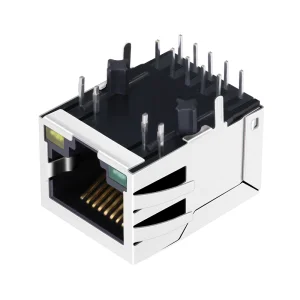
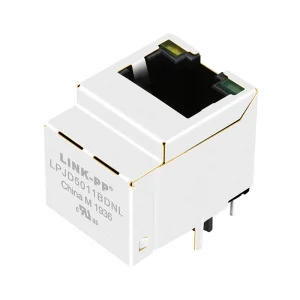
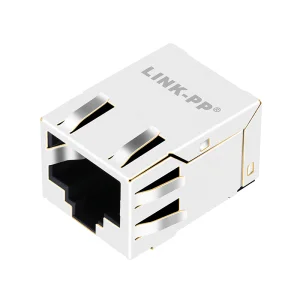
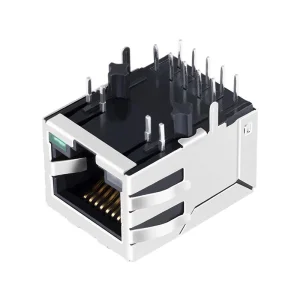
Adapters must integrate highly reliable physical ports. The demand for integrated PoE/PoE+ capabilities, backed by magnetic RJ45 connectors with built-in isolation transformers, ensures direct device powering along the Ethernet drop.
| Feature Parameter | HomePlug AV2 Standard | ITU-T G.hn Standard | Industrial Grade BPL Requirements |
|---|---|---|---|
| Maximum PHY Rate | Up to 1200 Mbps / 2000 Mbps | Up to 2400 Mbps (G.hn Wave 2) | Optimized for long-distance stability |
| Frequency Bandwidth | 1.8 MHz to 86 MHz | 2 MHz to 100 MHz / 200 MHz | Configurable to bypass HF utility grid noise |
| MIMO Configuration | Line-Neutral / Line-Ground / Neutral-Ground | Phase-Neutral-Ground (Full 3-wire capability) | Galvanic Isolation + Multi-channel pathing |
| Encryption Engines | 128-bit AES Link Encryption | 128-bit AES / 256-bit AES Options | Secure boot, hardware security modules (HSM) |
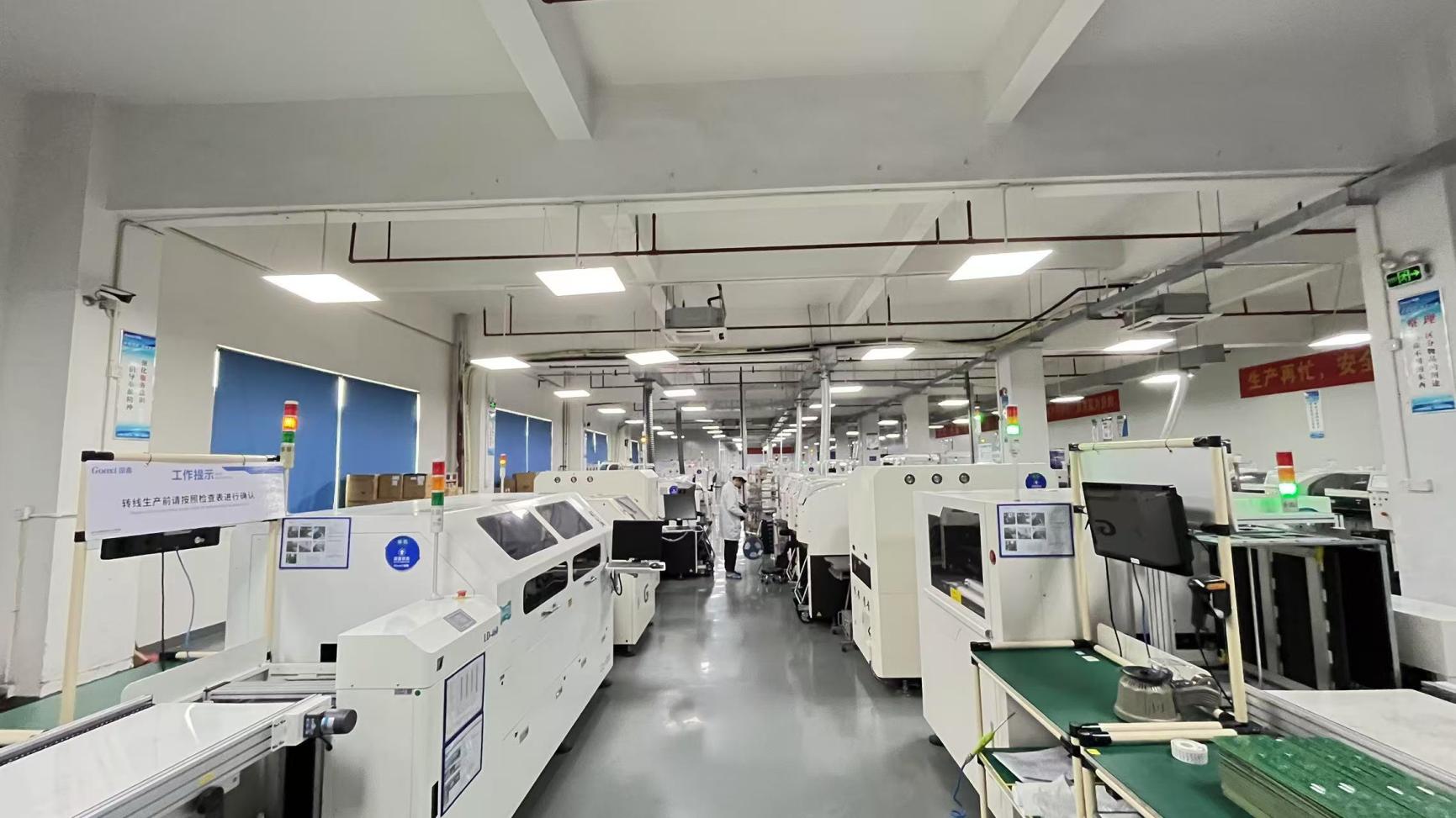
As a professional manufacturer specializing in high-speed optical transceivers and fiber optic communication solutions, Lumetra Optoelectronics Technologies Co., Ltd. (founded in 2016) has built a world-class production infrastructure. Operating an extensive 8,500㎡ facility, the company handles both advanced optical/electrical sub-assemblies and complete communication terminals.
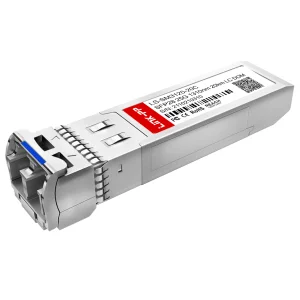
In the powerline communication ecosystem, performance bottlenecks often stem from sub-par connector shielding or transformer signal loss. Lumetra addresses this by vertically integrating the production of critical physical-layer subcomponents. By leveraging our deep expertise in high-frequency magnetic connectors, PoE modular jacks, and optical transceiver links, we supply complete systems that feature outstanding Signal-to-Noise Ratios (SNR).
Backed by over 11 years of industry expertise and 7 years of specialized global export experience, Lumetra manages a robust network of over 1,200 supply chain partners. This ecosystem guarantees access to premium chipsets, high-grade magnetic cores, and high-density PCB materials, shielding our partners from global semiconductor and material supply volatility.
Our commitment to continuous innovation is driven by an engineering force of 86 R&D engineers specialized in high-frequency hardware design, optical path integrity, and layout optimization. This engineering depth allowed us to roll out approximately 220 new products last year alone, catering directly to complex customization requests (OEM/ODM) including wavelength tuning, customized form factors, protocol compatibility, and target power profiles.
Our global operations generate an annual export revenue of approximately USD 18 million, serving leading system integrators, datacom operators, and utility brands across North America, Europe, Southeast Asia, and the Middle East.


Where traditional fiber runs are cost-prohibitive and wireless signals cannot penetrate.
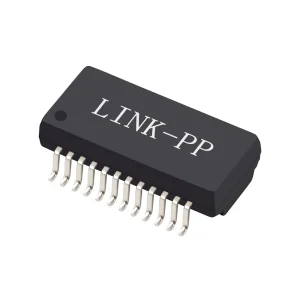
Utility networks deploy BPL transceivers to extract real-time consumption metrics from heavy electrical distribution transformers. These installations rely on specialized high-frequency ethernet transformers to bridge PLC modems to the utility grid.
Retrofitting older commercial properties with IP cameras often presents wiring challenges. By installing powerline nodes with integrated PoE outputs, cameras connect directly via the existing mains infrastructure, saving up to 60% in installation labor costs.
Traditional structural cabling in moving elevator shafts is prone to mechanical fatigue. Running G.hn PLC links over traveling cables provides high-bandwidth data channels for media screens and emergency IP interphone systems.
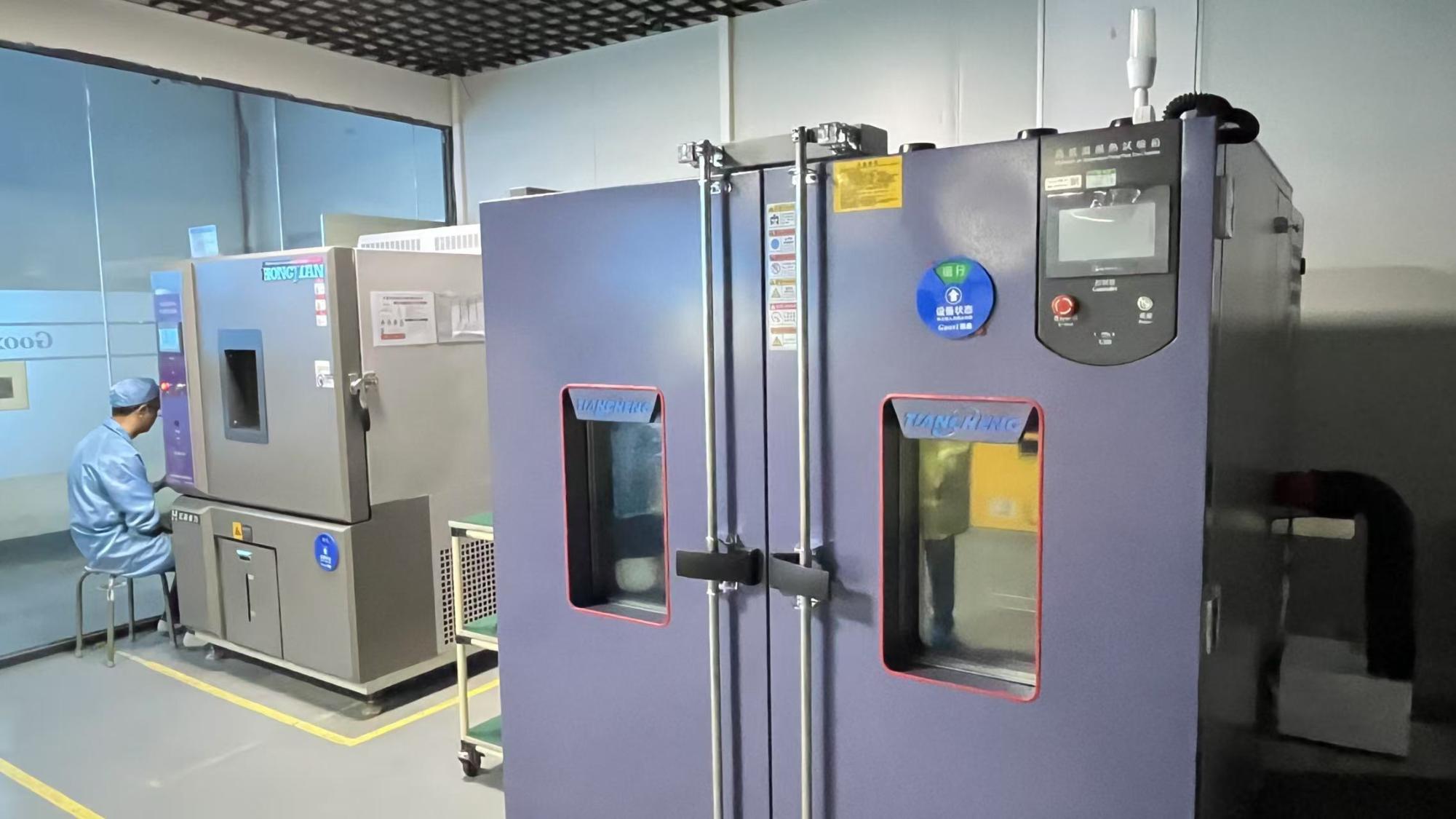
At Lumetra, quality assurance is an active manufacturing protocol, not a passive final check. Our quality control division consists of 48 trained inspectors who monitor every stage of production—from incoming silicon and optoelectronics inspection to final stress testing.
Our quality assurance testing suite includes:
Whether you require localized firmware optimization, customized casing styles, or specialized electrical isolation values for utility-grade deployments, Lumetra's R&D team can support your product goals.
Our engineering capabilities cover protocol tuning, form-factor adaptations, power management optimization, and high-frequency signal integrity testing, helping you deliver reliable solutions under your own brand.
Answers to common technical and logistical queries from global procurement managers.
Engineered for network interfaces, routing switches, and high-frequency communication boards.