Lumetra
Lumetra
Lumetra
Enterprise-grade transceiver modules, magnetic RJ45 connectors, and industrial interconnect solutions
A Technical Whitepaper on Legacy Serial Protocol Conversion, Fiber Integration, and High-Speed PHY Interfaces
In the contemporary industrial and enterprise infrastructure landscape, serial port communications (RS-232, RS-422, and RS-485) remain the foundational backbone for critical control loops, telemetry, programmable logic controllers (PLCs), legacy medical instrumentation, and substation automation systems. Despite the widespread adoption of multi-gigabit Ethernet and hyperscale optical backbones, millions of industrial devices worldwide rely fundamentally on serial data framing for zero-latency, deterministic processing. The core engineering challenge faced by modern system integrators, network architects, and data center engineers is bridging legacy serial interfaces with high-speed optical transceivers and Ethernet PHY infrastructure without introducing packet jitter, electromagnetic susceptibility, or signal degradation.
As a premier China Wholesale Serial Port Adapter Factory & Exporter, our manufacturing and engineering ecosystem addresses this architectural convergence. By engineering specialized serial port adapters, optical convertors, magnetic RJ45 jacks, and Small Form-Factor Pluggable (SFP) transceivers, we enable seamless protocol mapping and physical-layer insulation. This technical whitepaper explores the macro trends driving global enterprise procurement, analyzes the engineering innovations within China's Industry 4.0 production facilities, and details the technical specifications required to deploy high-reliability connectivity hardware across mission-critical industrial environments.
Evolution of Serial Interface Hardware in Industrial IoT and Edge Computing Implementations
Industrial deployments in power grids and heavy manufacturing expose serial communication lines to severe Electrostatic Discharge (ESD), surge currents, and ground potential differences. Next-generation serial adapters integrate 2.5kV to 3.75kV galvanic isolation barriers alongside optical decoupling circuits, preserving data integrity across multi-kilometer runs.
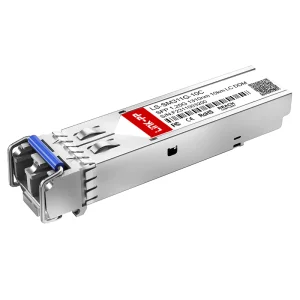
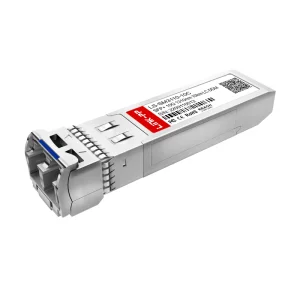
Enterprise IT networks require legacy serial signals to be encapsulated directly into TCP/IP frames (Modbus RTU to Modbus TCP conversion) or converted into optical pulses via 100BASE-FX or 1000BASE-LX SFP modules. Hardware must maintain sub-millisecond packetization latency to prevent PLC timeout faults.
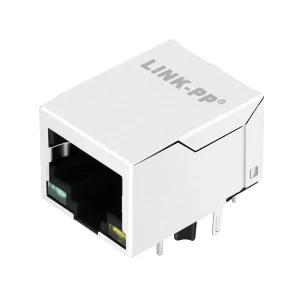
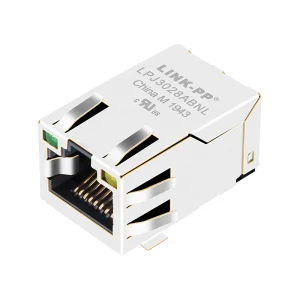
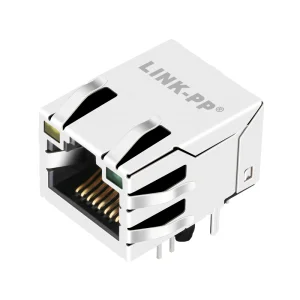
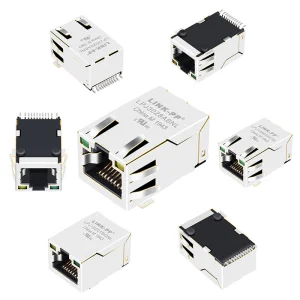
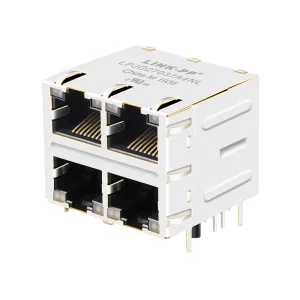
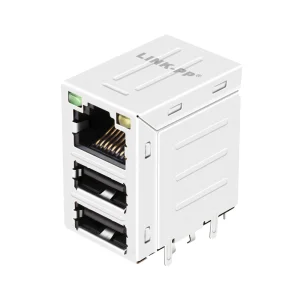
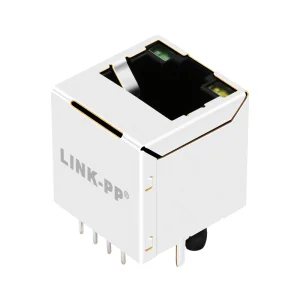
High-density server racks and automation lines generate significant radio frequency interference. Integrated magnetic connectors (MagJacks) with inner copper shielding, EMI grounding fingers, and optimized layout geometry ensure minimal bit error rates (BER) under harsh industrial operating conditions.
Key Strategic Considerations for Tier-1 Telecom Operators, Integrators, and OEMs
When procuring industrial communication hardware at scale, procurement directors and systems engineers evaluate suppliers based on a strict matrix of compliance, durability, customization flexibility, and supply chain continuity. Purchasing off-the-shelf commercial serial adapters often leads to catastrophic field failures due to insufficient thermal tolerance, capacitor breakdown under prolonged thermal stress, or driver incompatibility across non-standard operating systems.
Enterprise procurement requires strict adherence to international electrical, environmental, and safety standards. Commercial-grade components operating within 0°C to 70°C ranges fail in field deployments; true industrial serial converters and optical modules are certified for extended thermal windows ranging from -40°C to +85°C, with full compliance under RoHS, CE, FCC Part 15 Class B, and REACH regulations.
High-performance serial adapters must incorporate intelligent hardware flow control (RTS/CTS, XON/XOFF) and automatic baud-rate detection mechanisms supporting communication speeds up to 921.6 Kbps or higher. Zero-delay auto-transceiving logic allows multi-drop RS-485 networks to dynamically switch directions without missing data preamble bits.
Global telecom carriers and industrial system integrators frequently demand custom pinouts (DB9, DB25, RJ45 modular jacks), specialized protocol firmware conversion, custom enclosure form factors, dynamic DOM (Digital Optical Monitoring) parameters, and custom brand labelling to integrate cleanly into proprietary equipment ecosystems.
How Modern Smart Factories Optimize Component Sourcing, Quality Control, and Cost-to-Performance Ratios
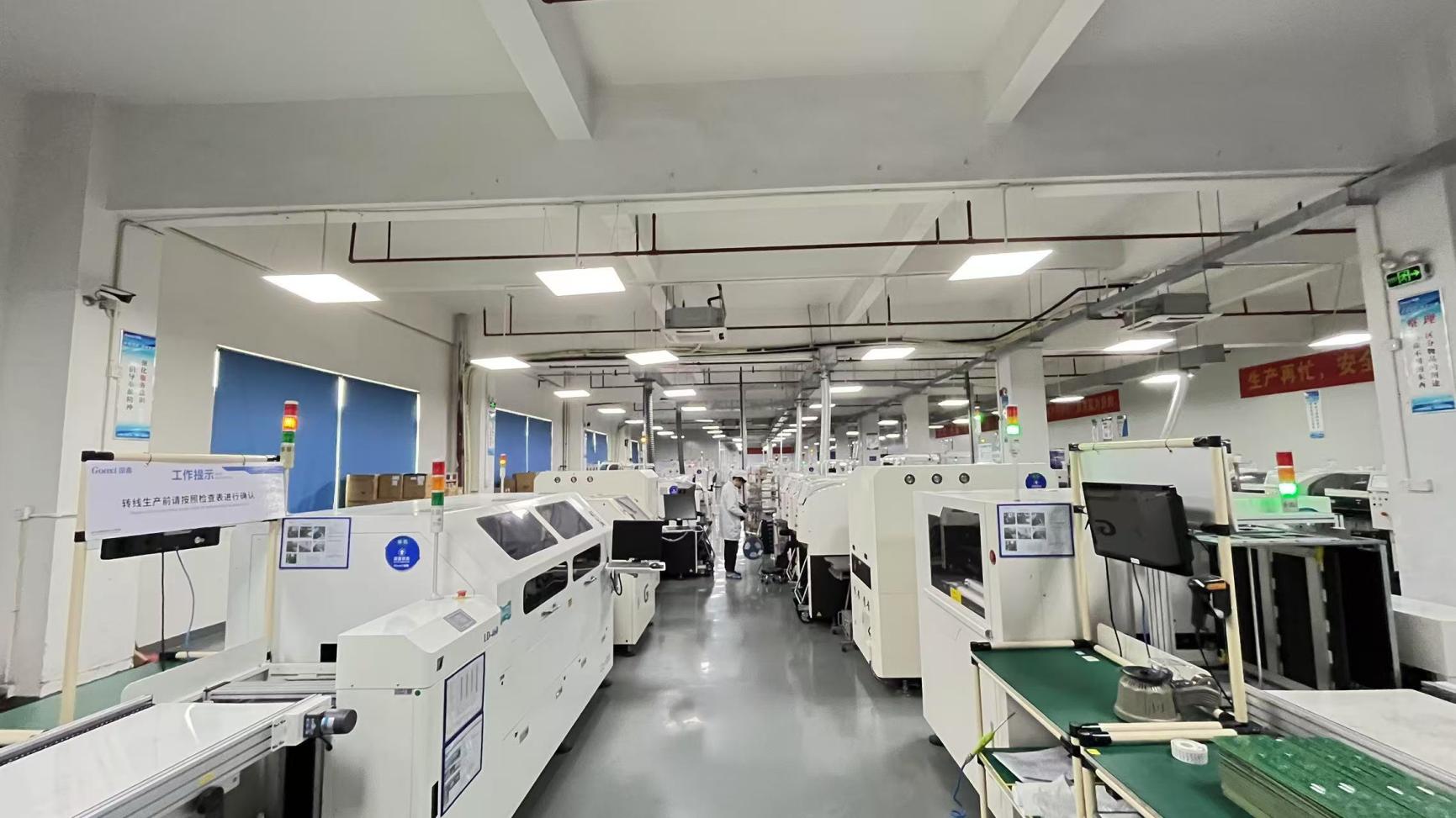
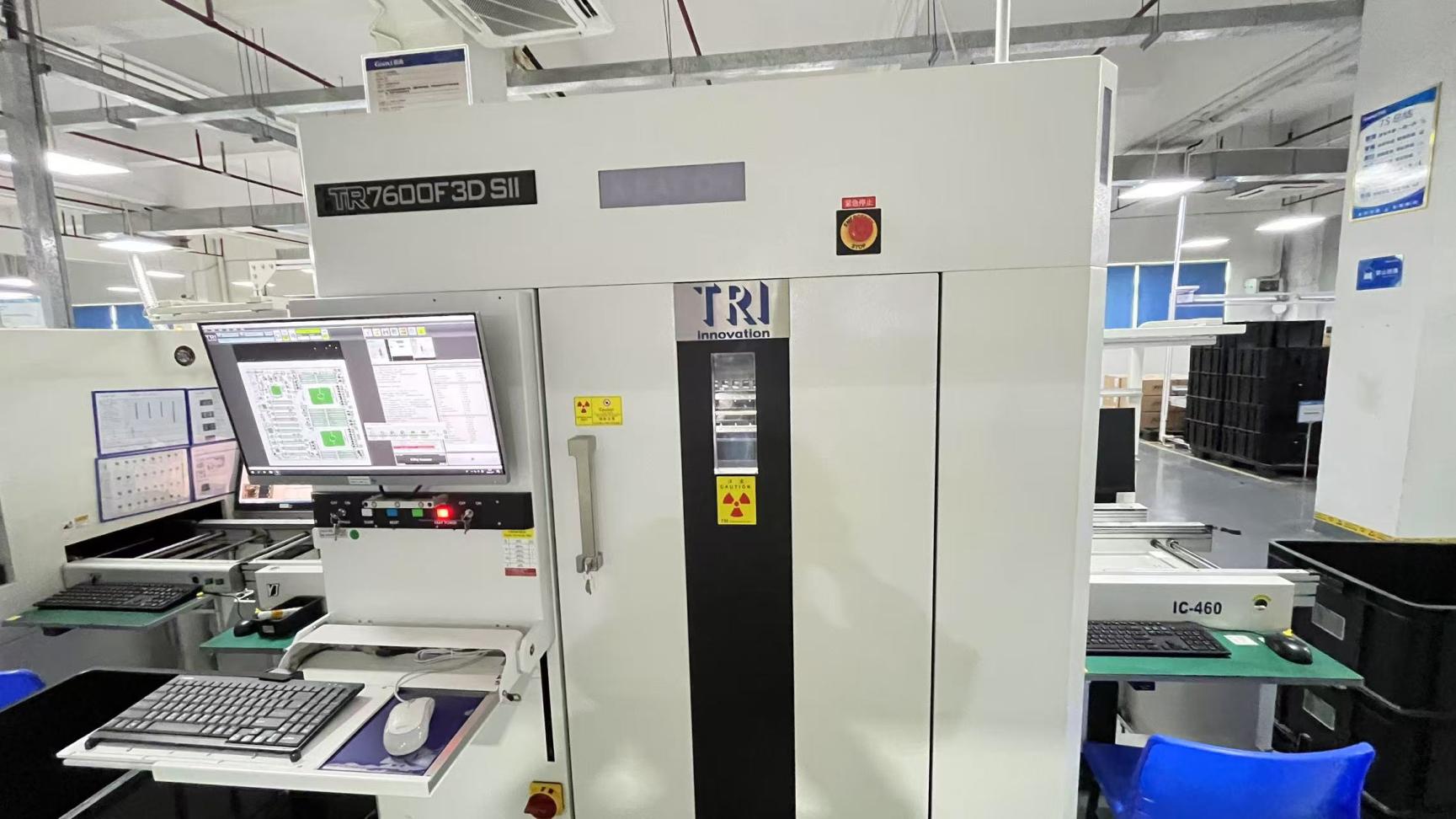
The transformation of China's electronic manufacturing landscape under Industry 4.0 principles has established an unprecedented global benchmark for hardware reliability and production throughput. Rather than relying on fragmented assembly lines, modern Chinese telecommunication hardware manufacturers leverage fully automated Surface Mount Technology (SMT) lines, high-speed automated optical inspection (AOI), automated wire bonding, and real-time environmental stress screening (ESS).
Our manufacturing framework integrates a deep supplier network comprising over 1,200 specialized supply chain partners. This vertical integration guarantees instant access to high-grade silicon chips, high-frequency transformers, precision copper stampings, gold-plated contacts, and premium optical lasers (FP/DFB/EML). By combining raw component sourcing agility with streamlined engineering, we substantially reduce product lead times while maintaining strict zero-defect quality thresholds.
Leading Manufacturer of Optical Transceivers, Magnetic Connectors, and High-Speed Interconnects
Lumetra Optoelectronics Technologies Co., Ltd. is a professional manufacturer specializing in high-speed optical transceivers and fiber optic communication solutions for datacom, telecom, and cloud infrastructure applications. Founded in 2016, the company has developed into a reliable supplier with strong engineering capabilities and global export experience. Backed by 11 years of overall industry expertise, Lumetra operates a state-of-the-art production facility covering approximately 8,500㎡, supporting efficient manufacturing and quality-controlled assembly processes.
With annual export revenue reaching around USD 18 million, Lumetra has built stable international business channels and accumulated 7 years of direct export experience. Quality assurance is maintained through a combination of automated optical performance testing, environmental stress screening, and manual inspection processes executed by a quality control team consisting of 48 trained inspectors ensuring strict compliance with international standards.
Lumetra supports advanced customization including protocol compatibility, wavelength tuning, form factor adaptation, and power optimization. The company employs 86 R&D engineers focused on optical design, hardware development, and signal integrity optimization.
In the past year alone, Lumetra launched approximately 220 new products, reflecting its continuous innovation in high-speed optical communication technologies and modular connector topologies.
Lumetra maintains a diversified trade background with strong presence in OEM and ODM markets across North America, Europe, Southeast Asia, and the Middle East, serving telecom operators, hyperscale data center integrators, and network equipment distributors.
Deploying High-Reliability Serial Adapters & Transceivers Across Demanding Ecosystems
Modern substations governed by IEC 61850 standards require converting legacy serial protection relays (RS-485) into noise-immune fiber optic lines. Optical converters and isolation adapters prevent electromagnetic transients caused by high-voltage switching from destroying master control units.
Automated assembly lines rely on real-time feedback loops between robotic arms, CNC machinery, and supervisory PLCs. High-speed magnetic RJ45 connectors (with/without PoE) and robust serial interface modules deliver uninterruptible bitstreams despite continuous vibration and electrical noise.
Traffic management networks deploy roadside sensors, dynamic message signs, and toll gate controllers operating under severe outdoor ambient temperature swings. Extended-temperature serial adapters ensure 24/7 uptime for traffic telemetry data collection.
Diagnostic imaging devices and patient monitoring systems require stringent optical isolation to comply with medical safety standard IEC 60601-1. Isolated serial port adapters prevent leakage currents from reaching sensitive patient-connected apparatus.
Even in cloud data centers equipped with 100G/400G backbones, out-of-band console management of server racks and core switches is executed via serial console ports, requiring high-density RJ45-to-Serial conversion racks and robust transceiver cages.
Offshore rigs and vessel navigation systems operate under highly corrosive salt fog conditions. Industrial serial adapters featuring conformal-coated PCBAs and shielded metallic enclosures protect core navigation telemetry against environment-induced shorts.
A Comprehensive Comparison of Optical Transceiver, Serial Adapter, and Magnetic Connector Architectures
| Interface Category | Supported Protocols / Standards | Data Transfer Rates | Maximum Transmission Range | Galvanic Isolation / Protection | Target Hardware Application |
|---|---|---|---|---|---|
| Serial Port Converters | RS-232 / RS-422 / RS-485 / Modbus RTU | 300 bps to 921.6 Kbps | Up to 1.2 km (RS-485 point-to-point) | 15kV ESD Protection / 2.5kV Opto-Isolation | PLCs, Metering, CNC Machines, SCADA |
| SFP / Optical Transceivers | 1000BASE-LX/LH, 10G-LR, 1000BASE-EZX | 1.25 Gbps to 10 Gbps+ | 10 km up to 120 km (Single Mode Fiber) | Complete Electrical Immunity (Optical Dielectric) | Telecom Backhaul, Enterprise Core Switches |
| Integrated RJ45 MagJacks | 100BASE-TX, 1000BASE-T, IEEE 802.3af/at (PoE) | 10 Mbps / 100 Mbps / 1000 Mbps | 100 meters (Cat5e / Cat6 UTP/STP) | 1500 Vrms Isolation Voltage / EMI Shielding | Network Switches, IP Cameras, Industrial Controllers |
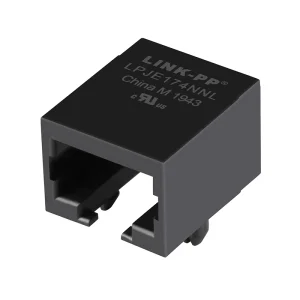
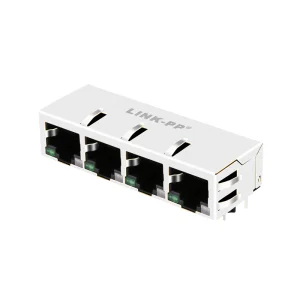
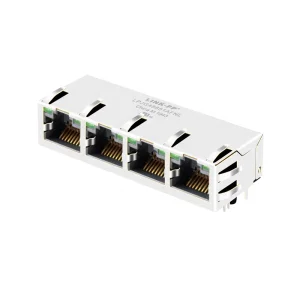
| Direct-Attach Modular Jacks | Custom Pinouts (TS6P6C, 2X2 / 1X4 Ports) | Baseband Data / Ethernet Signals | Board-to-Board / Local Patch Cables | Integrated EMI Shielding Fingers | Embedded Router Board Design, Patch Panels |
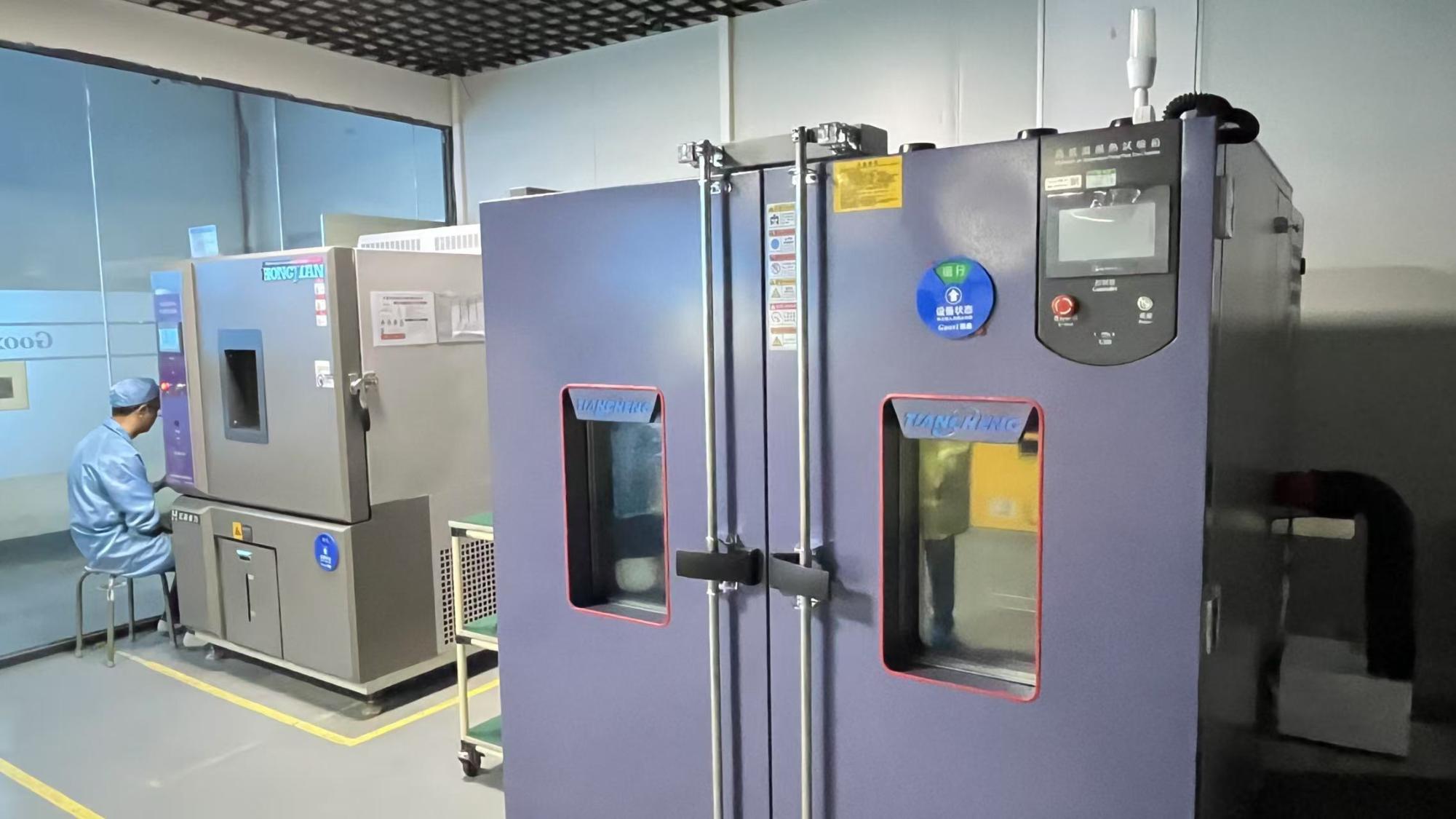
Inside Lumetra's 8,500㎡ Advanced Production and Quality Control Labs

Technical Insights into Serial Port Adapters, Optical Conversion, and Wholesale Procurement
A: RS-232 is a single-ended signaling standard designed for short-distance (typically up to 15 meters) point-to-point communication between a single master and slave device. RS-422 uses differential signaling for higher speeds and distances up to 1.2 km in full-duplex mode. RS-485 builds upon differential signaling to support multi-drop bus networks, allowing up to 32 (or 256 with high-impedance receivers) devices to communicate over a single twisted pair in half-duplex mode. Industrial serial adapters manufactured by Lumetra feature multi-protocol pin switching to support all three standards in a single chassis.
A: Copper serial cabling acts as an antenna for high-frequency electrical noise emitted by heavy machinery, variable frequency drives (VFDs), and power transformers. Optical serial converters translate electrical RS-232/485 signals into light pulses sent over single-mode or multi-mode fiber optic cables. Because fiber optic cable is a dielectric medium, it is 100% immune to EMI, radio frequency interference (RFI), and ground loop current spikes, allowing zero-error data transmission across hostile industrial environments.
A: Integrated RJ45 MagJacks incorporate isolation transformers and common-mode chokes inside the connector housing. These internal magnetics perform three vital functions: they provide 1500 Vrms galvanic isolation between the PHY chip and the external network, suppress common-mode EMI noise to ensure compliance with FCC standards, and protect sensitive onboard Ethernet microcontrollers from transient voltage spikes and static charges on the Ethernet cable.
A: Yes. Lumetra’s in-house team of 86 R&D engineers offers complete OEM/ODM customization services. We tailor DB9/DB25/RJ45 pin mapping, develop custom housing molds, adjust optical transceiver laser wavelengths, tune power consumption profiles, and embed custom vendor ID/product ID (VID/PID) and Digital Optical Monitoring (DOM) parameters inside transceiver firmware.
A: All industrial-grade products undergo rigorous Environmental Stress Screening (ESS). Components are rated for operating temperatures between -40°C and +85°C. During quality control, products are subjected to thermal shock testing, high-humidity burn-in chambers, and optical performance BERT testing conducted by our 48 dedicated QC inspectors to guarantee long-term field stability.
A: Lumetra maintains strategic long-term contracts with over 1,200 raw material and component suppliers across Asia. By maintaining continuous safety stock of key IC driver sets, optical lasers, and connector shells within our 8,500㎡ facility, we buffer our OEM/ODM clients against global supply chain volatility and deliver accelerated order fulfillment.
Explore our complete range of optical modules, PCB modular jacks, and high-density connectors