Lumetra
Lumetra
Lumetra
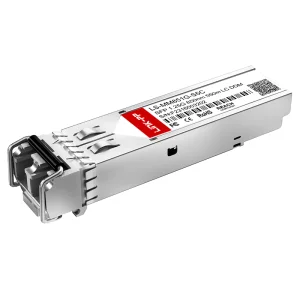
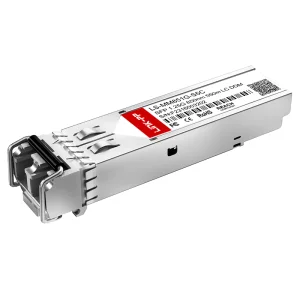
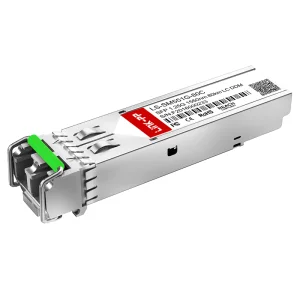
Gitarama (historically the hub of the Muhanga district in Rwanda's Southern Province) has evolved into one of the country's primary secondary cities, functioning as a vital transportation, logistical, and economic corridor. As part of Rwanda's ambitious Smart Rwanda Master Plan and Vision 2050, the demand for high-reliability telecommunication networks has surged. Modernizing the local administrative offices, Kabgayi’s regional medical facilities, and the growing agricultural processing industries requires structured, noise-immune, and lightning-fast local area networks (LANs) and metropolitan networks (MANs).
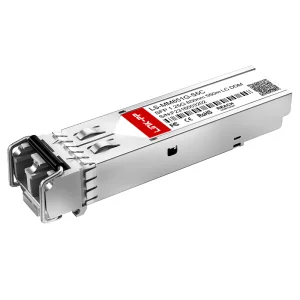
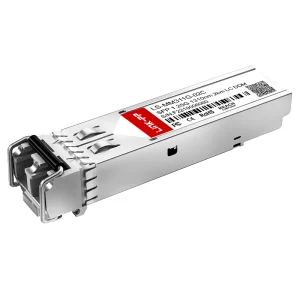
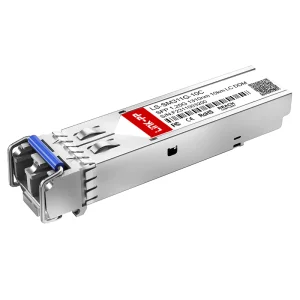
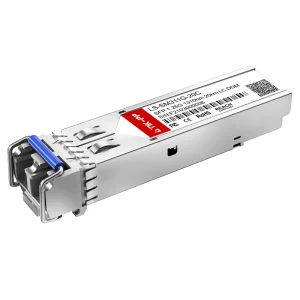
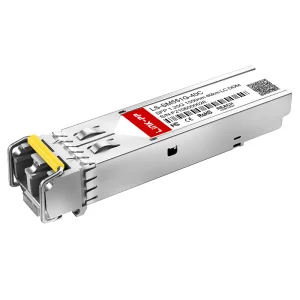
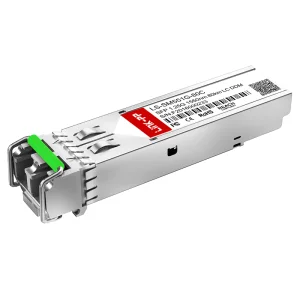
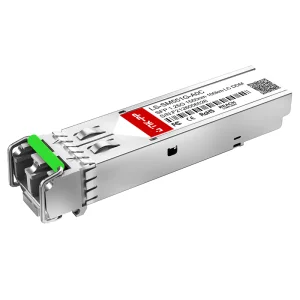
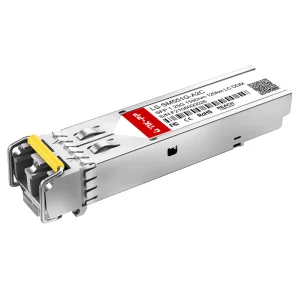
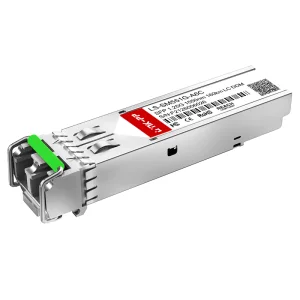
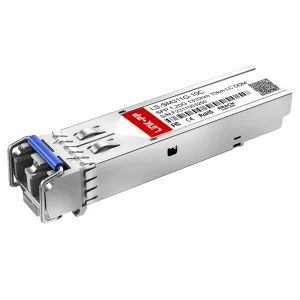
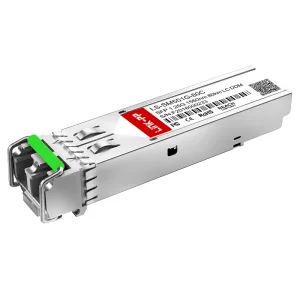
Our specialized 1.25G SFP (Small Form-factor Pluggable) optical transceivers serve as the critical hardware bridging fiber cables to switch interfaces. Given Gitarama's dynamic geographical terrain, characterized by high elevations and variable tropical weather conditions, copper cabling is highly susceptible to electromagnetic interference and surge damage. Implementing single-mode and multi-mode fiber systems backed by certified SFP modules ensures seamless data transmission without signal degradation.
In the global networking landscape, while hyperscale data centers are migrating to 100G, 400G, and 800G optical architectures, the 1.25G SFP (specifically legacy gigabit architectures and enterprise edge deployments) remains the global industry standard for access networks, enterprise campuses, and FTTH (Fiber to the Home) last-mile applications. The combination of cost efficiency, mature production cycles, universal device compatibility, and low power consumption makes it the first choice for growing economies and tier-2 municipalities globally.
From short-range 550m multimode (MMF) patches inside local server rooms to ultra-long haul 160km single-mode (SMF) connections, bridging rural communities within Rwanda without intermediate repeaters.
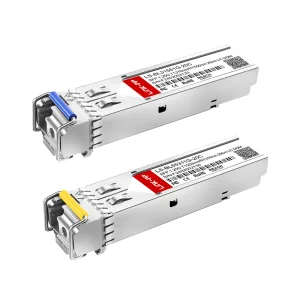
Deploying duplex fiber LC connectors or optimizing physical infrastructure using BiDi (Bidirectional) modules that send and receive data on a single strand of fiber via WDM technology.
Real-time parameter tracking including optical output power, input power, temperature, laser bias current, and transceiver supply voltage to ensure proactive network maintenance.
Importing optical transceivers to Gitarama requires partnering with an established, highly resilient manufacturer capable of maintaining stringent standards. Lumetra Optoelectronics Technologies Co., Ltd. stands as a global benchmark in the design and production of optical systems. Our 8,500m² manufacturing facility is optimized for mass production while adhering to precision engineering practices required for high-speed hardware.
Our quality assurance division relies on a structured process that combines automated optical performance testing, environmental stress screening, and thorough manual inspections. To ensure zero-defect exports, our dedicated quality control team comprises 48 trained inspectors who verify standard compliance and EEAT parameters before dispatch.
With 86 R&D engineers focused on optical design, high-frequency signal integrity, and hardware development, Lumetra supports customized requests including EEPROM coding for multi-vendor compatibility, custom link budgets, and extreme-temperature tolerance ranges. In the past year alone, we successfully developed and launched approximately 220 new products, reinforcing our market presence in North America, Europe, Southeast Asia, and the Middle East.
We understand the logistical constraints of delivering to East Africa. Through long-term contracts with over 1,200 supply chain partners, we secure first-grade components (TO-CANs, laser diodes, TOSA/ROSA elements) to insulate our clients from manufacturing backlogs and unexpected price surges.
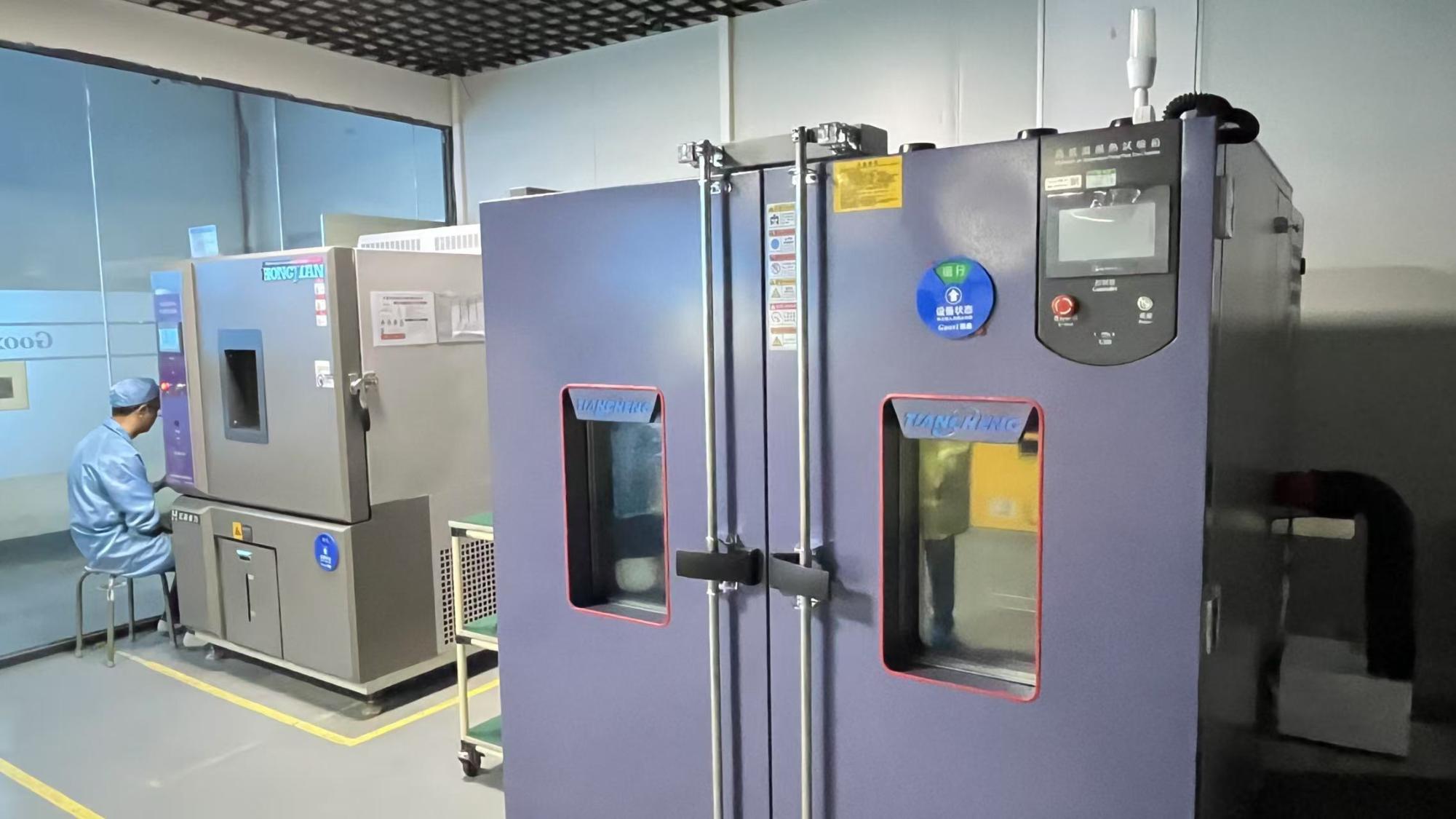

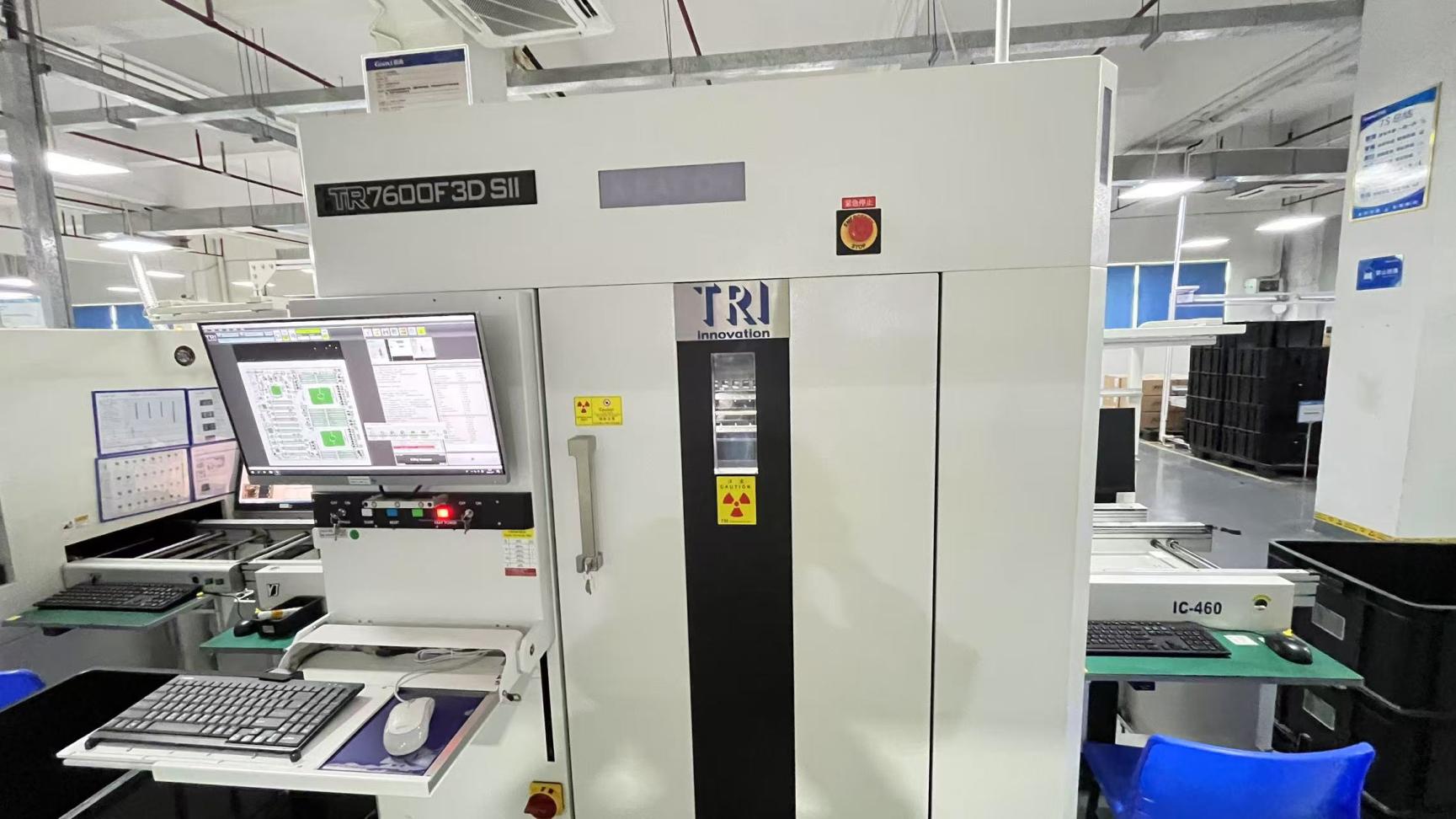

Importing telecommunication equipment to Rwanda requires attention to local customs clearances and standard protocols. At Lumetra Optoelectronics, we streamline this process by preparing comprehensive documentation, including commercial invoices, certificates of origin, packing lists, and product compliance data sheets.
All our SFP modules strictly adhere to international EMC standards, CE, FCC, RoHS, and UL listings, matching requirements established by the Rwanda Utilities Regulatory Authority (RURA) and the Rwanda Standards Board (RSB).
To eliminate configuration errors, our engineering team pre-codes each transceiver to work seamlessly with equipment used in Rwandan infrastructures, including Cisco, MikroTik, Huawei, Ubiquiti, Juniper, and TP-Link.
We offer air freight options directly to Kigali International Airport (KGL), from where road transport routes to Gitarama/Muhanga are managed efficiently through trusted regional logistics carriers.